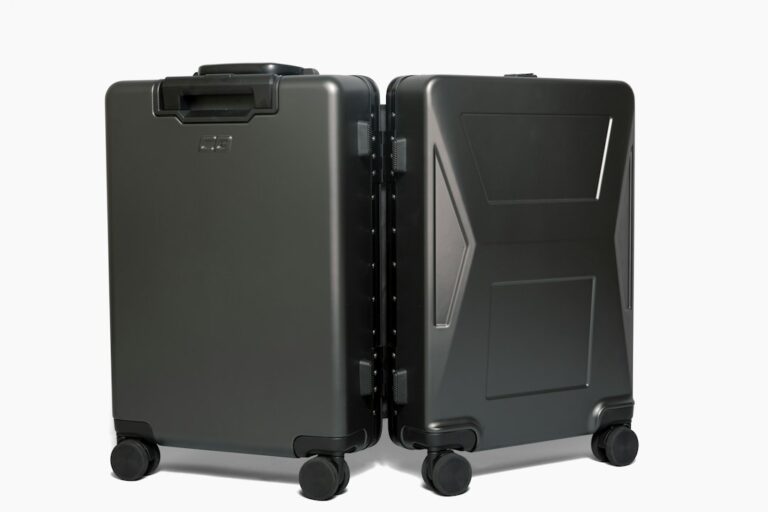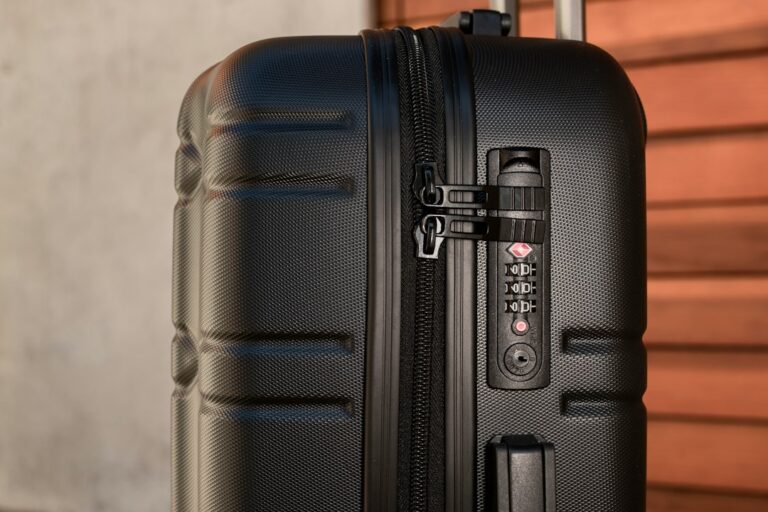

As travel continues to evolve, so does the technology that accompanies it. Smart luggage has emerged as a game-changer for travelers seeking convenience and efficiency. With features like GPS tracking, built-in chargers, and weight sensors, these innovative bags are not just a luxury but a necessity for the modern traveler. Understanding the latest trends in smart luggage can help you make informed purchasing decisions before your next adventure.
Market Growth and Consumer Demand
The smart luggage market has seen significant growth in recent years, with a reported increase of 25% in sales from 2021 to 2022. This surge can be attributed to the rising demand for tech-savvy travel solutions that enhance the overall travel experience. Consumers are increasingly looking for luggage that not only serves its basic function but also integrates technology to provide added value. As more travelers become aware of the benefits of smart luggage, the market is expected to continue its upward trajectory.
Key Insight: The growing consumer preference for smart luggage indicates a shift towards more tech-oriented travel solutions, suggesting that brands need to innovate continuously to meet these expectations. With the global smart luggage market projected to reach $2.5 billion by 2025, the potential for growth in this sector is immense, making it a lucrative area for both established and emerging brands.
Innovative Features Driving Sales
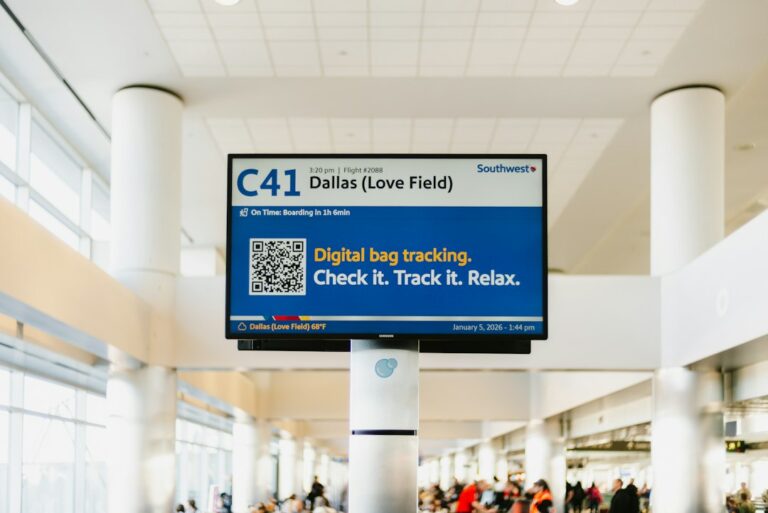
Smart luggage is packed with features that cater to the needs of today’s travelers. One of the most sought-after features is built-in charging capabilities, allowing users to power their devices on the go. This is particularly appealing for business travelers who rely on their gadgets for work. Additionally, GPS tracking has become a standard feature, providing peace of mind by allowing travelers to locate their bags in real-time, reducing the anxiety associated with lost luggage.
Another innovative feature gaining traction is the weight sensor, which alerts users if their bag exceeds airline weight limits. This not only helps avoid extra fees but also streamlines the check-in process. As these features become more commonplace, consumers are likely to prioritize smart luggage that offers a combination of functionality and convenience, further driving sales in this competitive market.
Environmental Considerations in Smart Luggage
As sustainability becomes a focal point for consumers, smart luggage brands are responding by incorporating eco-friendly materials and practices into their products. Many manufacturers are now using recycled materials to create durable and stylish luggage options. This shift not only appeals to environmentally conscious travelers but also sets a new standard for the industry, encouraging other brands to follow suit.
Moreover, some smart luggage options are designed to be more energy-efficient, reducing the carbon footprint associated with travel. By prioritizing sustainability, brands can attract a growing segment of consumers who are willing to invest in products that align with their values. This trend highlights the importance of innovation not just in technology but also in environmental responsibility.
Consumer Behavior and Purchasing Trends
Recent studies indicate that millennials and Gen Z travelers are leading the charge in adopting smart luggage. These demographics are more inclined to invest in technology that enhances their travel experience, often prioritizing convenience and functionality over traditional luggage options. As a result, brands targeting these consumers are focusing on marketing strategies that emphasize the tech-savvy features of their products.
Additionally, the rise of e-commerce has made it easier for consumers to compare products and prices, leading to more informed purchasing decisions. Online reviews and social media influence play a crucial role in shaping consumer perceptions, making it essential for brands to maintain a positive online presence. As purchasing behavior continues to evolve, understanding these trends will be vital for brands looking to capture the attention of the modern traveler.
Future Outlook for Smart Luggage
The future of smart luggage looks promising, with continuous advancements in technology paving the way for even more innovative features. As artificial intelligence and IoT technologies develop, we can expect to see luggage that not only tracks location but also learns user preferences and adapts accordingly. This level of personalization will likely become a key selling point for brands aiming to differentiate themselves in a crowded market.
Furthermore, as travel resumes post-pandemic, the demand for smart luggage is expected to rise significantly. Travelers are eager to embrace new technologies that enhance their journeys, making it an opportune time for brands to introduce cutting-edge products. By staying ahead of trends and consumer preferences, companies can position themselves as leaders in the smart luggage market, ready to meet the needs of the next generation of travelers.